Europe, siberia, western asia, north africa; If grown in a terrarium, pair with plants that like mois soil.

Babys tears (Soleirolia soleirolii, zones 9 to 11) is a
Where to grow baby tears.

Baby tears ground cover zone. Nertera granadensis has an unusually extensive transcontinental distribution surrounding the pacific ocean, occurring from southern chile and western argentina north to guatemala, and in new zealand, eastern australia, indonesia, malaysia, papua new guinea, the philippines and taiwan. In colder zones, it is often planted outdoors as an annual for the same purposes, since it spreads quickly. Low maintenance pilea baby tears.
Ground cover / perennial description: Regular to ample water zones: I use a lot of this baby tears as ground cover in several gardens.
It blooms in summer and is an excellent ground cover for thin, poor soils or rocky embankments. If frosted, it may blacken and die back to the roots, but will quickly recover once the weather warms. Zone 8a 10 to 15 f, zone 8b 15 to 20 f, zone 9a 20 to 25 f, zone 9b 25 to 30 f, zone 10a 30 to 35 f, zone 10b 35 to 40 f.
Baby tears plants offer a great alternative to grass in areas of indirect sun. Perfect choice for a rock garden or border edging. In warmer areas, it may do better in dappled shade than full sun.
It grows quickly and will fill in an area in just a couple of months. Babys tears grow very quickly, can overcome some frost, and theyre even able to. Below are common attributes associated to baby tears.
It grows only 3 to 6 inches tall and has a spread of 3 to 6 feet. Once you select an area to plant, prepare the soil in advance. Stonecrop tolerates varying amounts of foot traffic.
Although many of its relatives have hairy, oval shaped leaves with serrated edges, soleirolia soleirolii has small, round leaves in light lime green. Pilea depressa, also known as jobes tears or baby tears, is a trailing plant with small, round, thick green leaves. Full sun to partial shade water:
42 rows baby tears make a great ground cover under larger plants. Babys tears or soleirolia soleirolii is an evergreen and low growing ground cover known for its round cascading leaves. Using a garden trowel i usually dig out a plug 3 to 4 inches in diameter and a couple of inches deep.
Sedum album chloroticum 'baby tears'. They work especially well on borders or in layered beds. Impatiens walleriana is a popular flowering ground cover.
Spills nicely from hanging baskets. Sedum album chloroticum baby tears is a dense, ground cover succulent. Native to the mediterranean region, babys tears (soleirolia soleirolii) have small green leaves and are also a classic addition to your indoor space, they are easy to maintain and propagate by dividing.they suit most climatic conditions, but cannot withstand frost.
Sedum album species are very resilient and will acclimate to most environments. Can also be planted between pavers or in borders. Buy this plant from 2 gardenality business profiles .
A perennial ground cover that can be grown in usda zones 8b to 11, this plant is reliably winter hardy only in zones 10 and 11. I have it in planters on the deck. Drought conditions may turn the foliage pinkish, but this species has excellent tolerance for dry conditions.
Its delicate charm conceals a surprisingly rugged plant. The leaves grow in clumps, making this a great option for ground cover in a terrarium. The tiny, insignificant creamy white flowers appear in may and june.
Babys tears, angels tears family: Babys tears evolved in the heat of the western mediterranean and thrives in hardiness zones 9 to 11. It cannot tolerate foot traffic.
A mediterranean plant, baby tears can be grown as an outside ground cover in usda zones 9 and above. This ground cover is not a succulent. If youre looking for a wonderful green ground cover that does well in the shade, then babys tears is your answer.
Babys tears belongs to the nettle family. Baby tears ground cover tray ground cover tray vines tray perennials tray house plants tray annuals tray plant bulbs tray fruit plants tray seed starters bareroot ground cover goutweed ground cover creeping wire vine ground cover hardy hens and chicks ground cover pot ground cover liriope ground cover In addition to being a great plant for landscaping, it also makes a great houseplant or as a garden bed in fairy gardens or terrariums.
In the tropical regions of the western pacific, nertera granadensis only occurs at. In summer small white flowers float above the foliage. From a distance babys tears could easily be confused for moss, its low habit and dense mat of dainty little leaves cover the ground like a carpet.
Baby tears sedum is a stepable variety. It is relatively low maintenance and provides a gorgeous soft groundcover in the garden.

Baby Tears (Soleirolia soleirolii) Fairy garden plants

TOP 10 Plants and Ground Cover for Your Paths and Walkways

Baby's Breath by Live Mulch! New for 2015! baby's breath

Soleirolia soleirolii 'Baby's Tears' Ground cover plants

Helxine I think this plant may also be known as "mind

Sedum album 'Chloriticum' Baby Tears Sedum, Succulents
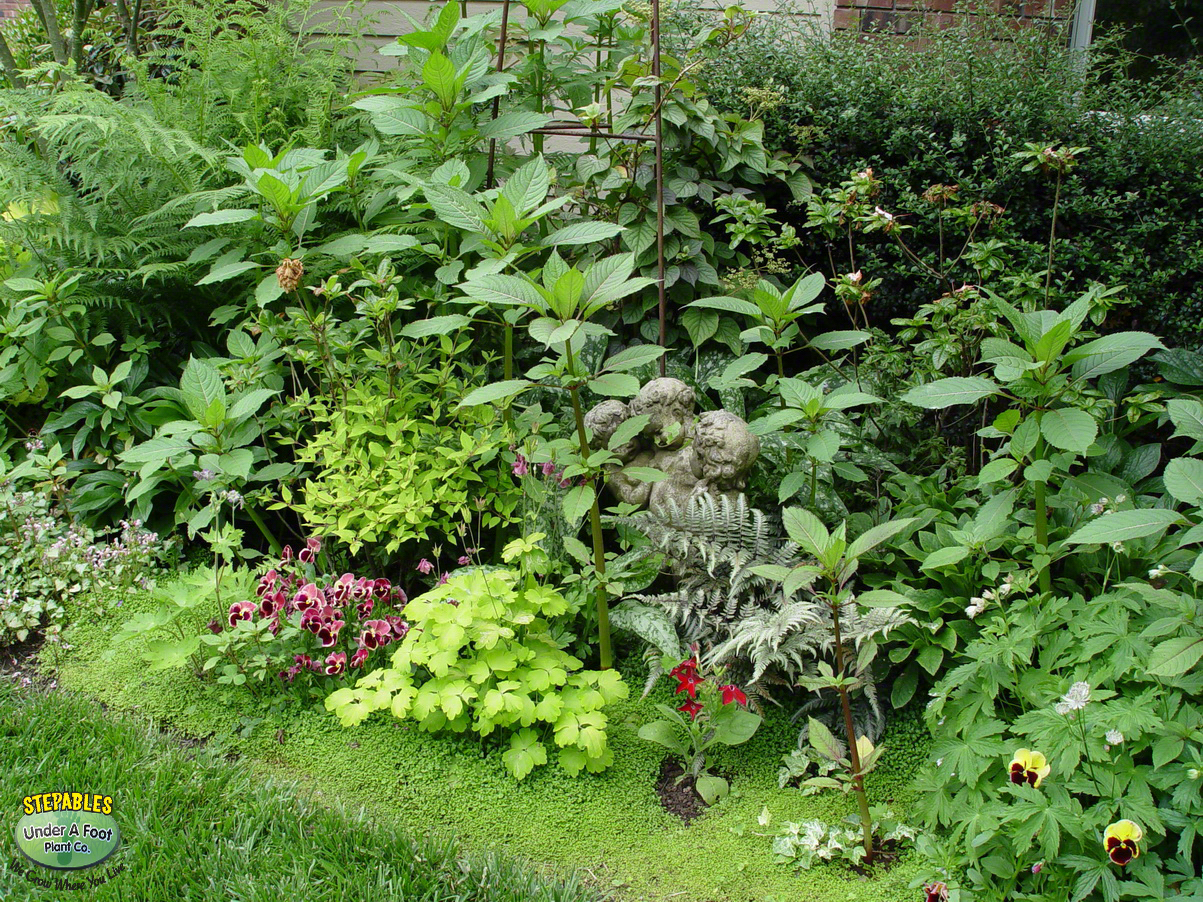
107_Soleirolia soleirolii Babys Tears around perennials

ORCHID COLLECTION What Mosstly Kills Phalaenopsis
Sedum album 'Chloroticum' Baby Tears Stonecrop 10

We heart succulents at HQs

A drip fountain with Babies Tears intentionally planted on

Plantes couvresol top 10 des espces incontournables

Sedum dasyphyllum 'Blue Tears' Corsican Stonecrop aka

Sprawling and Spilling Plants for Paved Areas Vines
Texas Sage My Landscape plants Pinterest
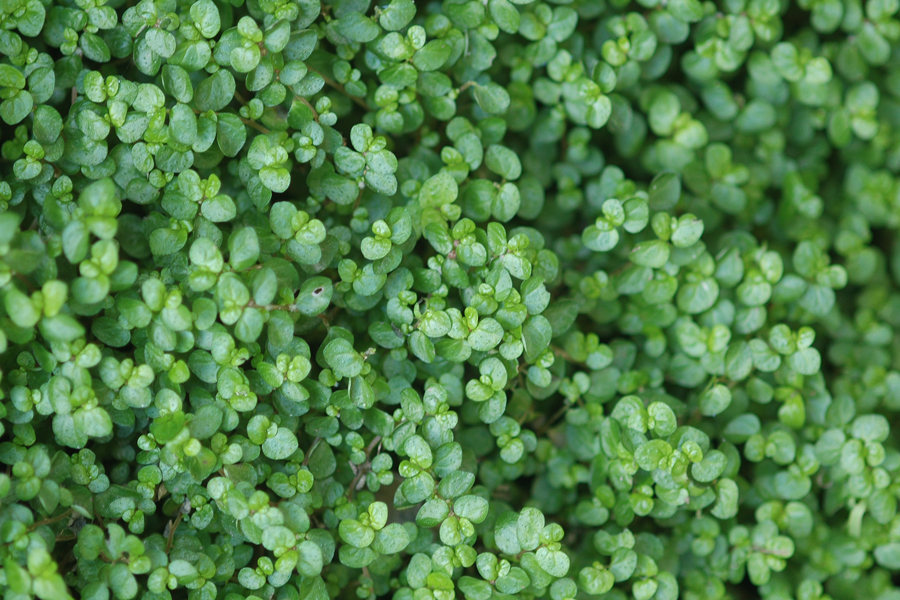

Soleirolia soleirolii 'Baby Tears'. gardeningforbeginners

